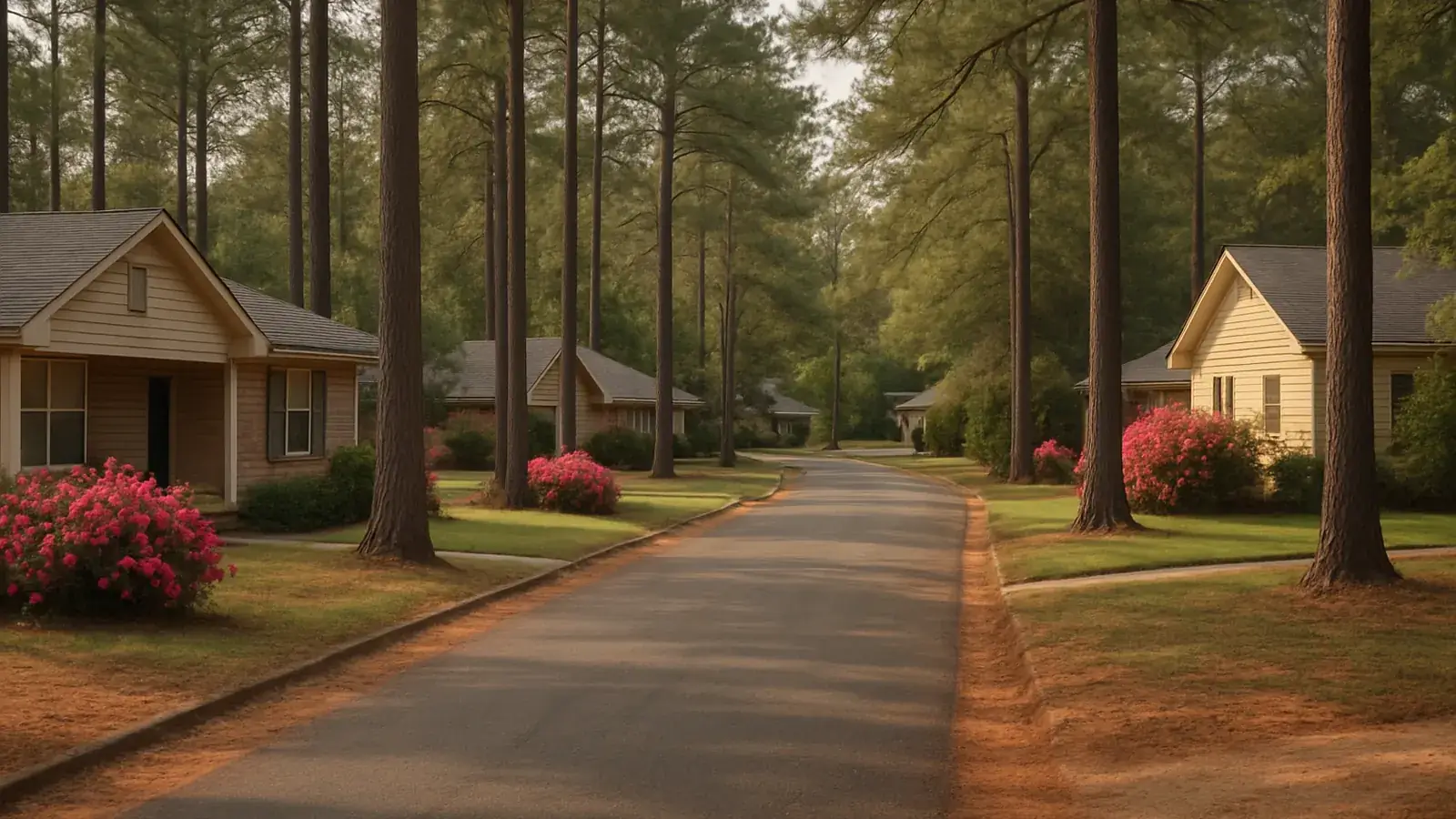
Tyler Foundation Co. serves Tyler plus Whitehouse, Lindale, Bullard, Flint, Chapel Hill, Noonday, Chandler, Troup, and Arp: elevation survey requests come in from every one of them, and you should ask whether any travel fee appears as a separate line.
WhitehouseLindaleBullardFlintChapel HillNoondayChandlerTroupArp
Each town on the list, and how it differs
Every town gets a page, since slope, trees, and house age change from Lindale down to Troup. Briefly:
Whitehouse: New slabs, unaged fill
Whitehouse has taken a large share of the county’s residential growth, which means a lot of its housing is young. Read what that means for a Whitehouse property.
Lindale: Rolling ground changes the water math
Lindale sits in the greener, more rolling country north of Tyler, and slope is the variable that separates it from the flatter parts of the county. Read what that means for a Lindale property.
Bullard: Two housing eras in one small town
Bullard’s historic center carries older homes, some on pier-and-beam, alongside newer subdivision growth on slab-on-grade. Read what that means for a Bullard property.
Flint: Trees and clay compete for the same water
Flint is heavily wooded, and mature trees near a foundation are a genuine variable on shrink-swell soil rather than an aesthetic one. Read what that means for a Flint property.
Chapel Hill: Built before the clay was designed for
A large share of the housing east of Tyler predates modern post-tension slab design and the soil-preparation practices that came with it. Read what that means for a Chapel Hill property.
Noonday: Agricultural ground, residential houses
Noonday sits on farmland with a long agricultural history, and the soil that grew its famous onions is the same reactive clay that moves foundations. Read what that means for a Noonday property.
Chandler: Lake proximity changes the moisture cycle
Chandler sits near Lake Palestine, and lots closer to the water behave differently than those on higher ground. Read what that means for a Chandler property.
Troup: Old-town housing on reactive ground
Troup’s core is genuinely old by East Texas standards, with housing that has stood through many decades of wet-dry cycling. Read what that means for a Troup property.
Arp: Frame houses, pier foundations, open ground
Arp’s older stock includes frame houses on pier-and-beam foundations over open ground. Read what that means for an Arp property.
Four different versions of the same clay
The growth corridors (Whitehouse, Bullard’s newer subdivisions) are young slabs on construction fill that is still consolidating, where settlement shows up in years three through seven. The rolling country (Lindale and its acreage) adds slope, so the uphill side of a foundation stays wetter than the downhill side and the damage is asymmetric. The wooded lots (Flint especially) put mature trees in competition with the house for soil moisture, producing settlement concentrated on the tree side in drought years.
The old towns and rural acreage (Chapel Hill, Troup, Arp, Noonday) carry housing built before anyone engineered for this soil, frequently with no gutters at all and no engineered drainage anywhere on the property. Chandler adds its own variable: a lake-influenced water table that keeps deeper soil wet while the surface still bakes.
Three constants across all ten
The clay. Clay subsoils across the county swell when wet and shrink when dry. Grading and downspout corrections do more here than owners expect, which is why they lead a sound scope.
The dry season does the damage. Drought pulls clay away from the slab edge and leaves the void a house settles into. Perimeter watering through August is maintenance, not superstition.
The survey decides. Every scope in every town starts from floor elevations in numbers. No survey, no pier count worth trusting.
Foundation repair prices across Smith County
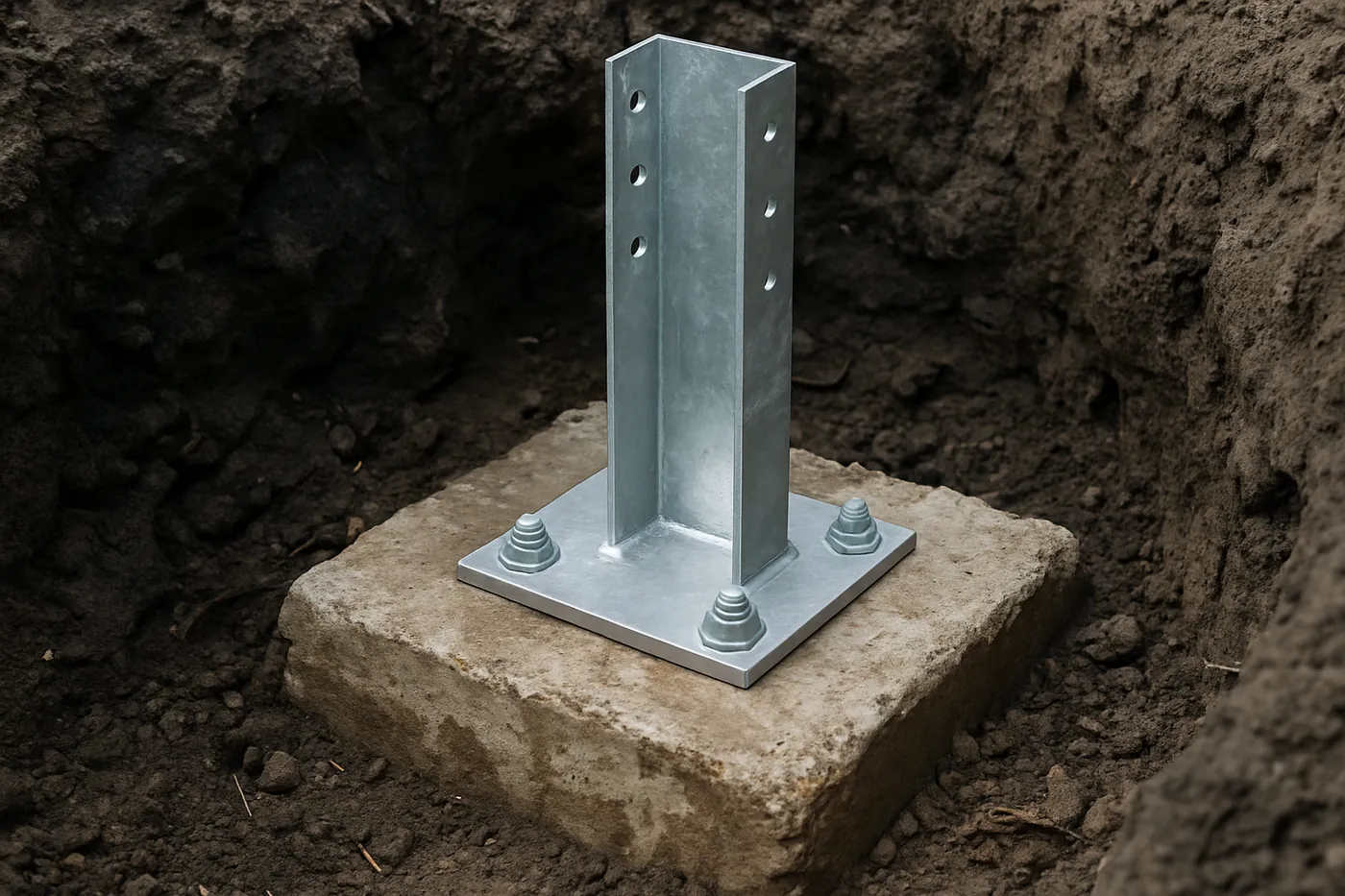
A house in Arp and one in Whitehouse pay the same rates: $4,000–$15,000 for a full repair, $1,200–$3,000 per pier, $3,500–$12,000 for slab work, and $1,500–$6,000 for drainage. The survey, not the zip code, decides which line applies. The cost guide breaks every class out.
Somewhere between towns, or just outside this list? Ask: the specialist can tell you plainly what travel would add.
Service area questions
Is there an extra charge for towns outside Tyler?
The nine places on this page, Smith County and the towns right around it, are all within the usual area; bring up any travel fee when the specialist phones. For addresses farther out, ask on that call whether travel costs extra, so it appears as a separate line instead of hidden in another.
Is the soil different in different parts of the county?
Clay soil runs across the county, but how it behaves varies by lot: slope in Lindale, tree cover in Flint, lake-influenced water table in Chandler, agricultural irrigation in Noonday. That is why pier depth is established per house rather than copied from a neighbor's job.
How fast can a specialist reach my town?
In any of the nine, the specialist phones you to agree on a visit, and timing depends on how busy they are. Buying? Mention your closing date when the specialist calls.
What does the evaluation include out in the county?
Everything an in-town visit covers, with a longer walk of the land: floor heights as numbers, measured cracks, and where water travels outside, including driveways, culverts, roadside ditches, and irrigation. If repairs are needed, ask for a written scope with every line priced.
What a town's place on this list means
Your first visit happens on the same terms it would in Tyler itself. Expect the same floor survey, the same crack measurements, and a written scope at the end. If the drive is long enough that travel adds real cost, ask for that amount on its own line before agreeing to anything.
Foundation repairs are planned work rather than emergencies, so ask whether a rural address affects when it can happen.
This site has written up these 9 communities closely enough to describe their ground before anyone visits. That is where the list stops: not at a circle on a map, but at the places we know well enough to read what a survey shows.
Get a Tyler foundation evaluation
Tell us what the house is doing (stair-step cracks in the brick, doors that stick every August, sloping floors, separating trim) so the evaluation starts from what you have seen. A local specialist who works in Tyler will call you back.