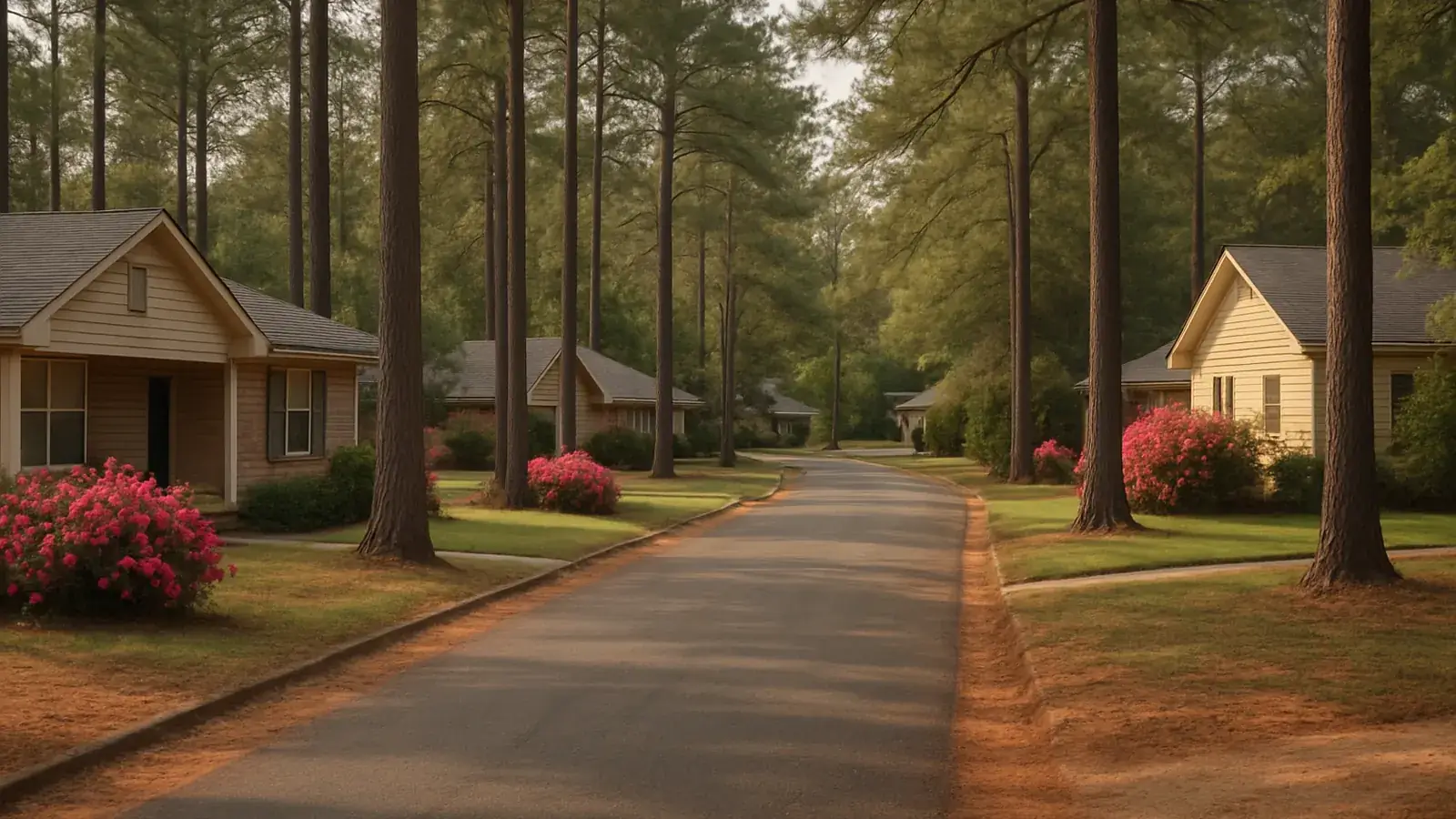
Chapel Hill foundation repairs commonly fall between $4,000 and $15,000, with piers at $1,200–$3,000 apiece. The clay underneath shifts with the seasons, and the floor survey decides how many piers a house needs.
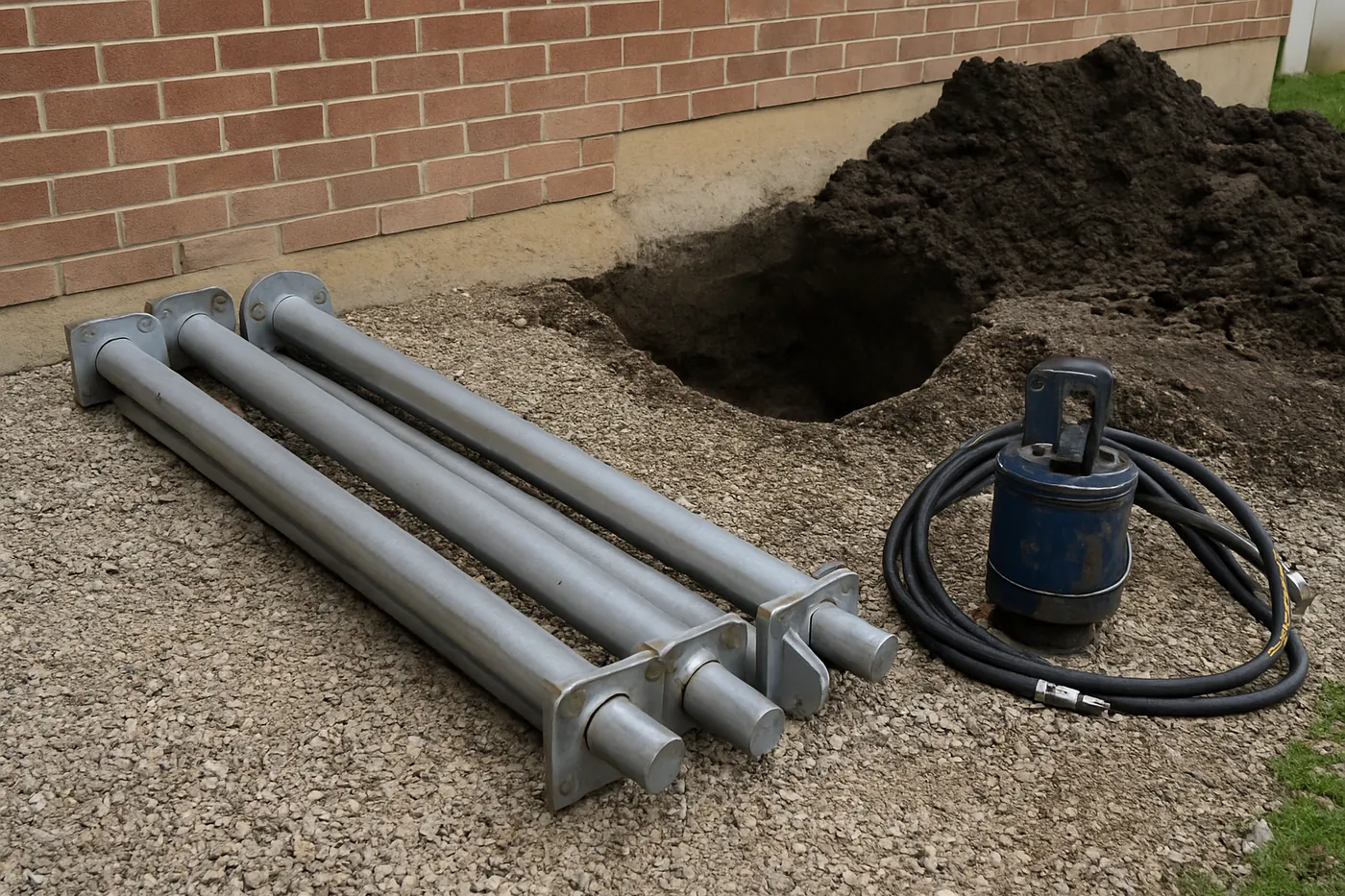
Built before the clay was designed for
A large share of the housing east of Tyler predates modern post-tension slab design and the soil-preparation practices that came with it. Those houses were built well for their era, but the era did not account for a soil that changes volume with the seasons. What they typically have is a conventionally reinforced slab on minimally prepared subgrade.
That is not a crisis: plenty of them have performed for decades. What it means is that when movement does start, there is less built-in resistance to it, and the elevation survey tends to show a broader, gentler dish rather than a sharp local drop.
What older slabs need first
Almost always water management before structure. These houses frequently have no gutters at all, or downspouts discharging directly at the foundation, and correcting that changes the moisture regime around the whole perimeter for a few hundred dollars. Where the survey shows real differential, piering follows, but in that order.
Asked in Chapel Hill
My house is from the seventies. Is that a problem?
Not by itself. Older conventionally reinforced slabs on minimally prepared subgrade have less built-in resistance to soil movement than a modern post-tension slab, but plenty have performed for decades. When movement does start it tends to read as a broad, gentle dish rather than a sharp local drop.
There are no gutters on the house. Does that matter?
A great deal, on this soil. Every roof collects thousands of gallons and drops them along the eaves straight into the swelling clay next to the slab. Gutters with long downspouts give Smith County houses more protection for less money than anything else.
What should I do first?
Start with the floor survey to learn whether anything is really moving, and fix the drainage before thinking about structural work. Following that order saves money on many Chapel Hill houses.
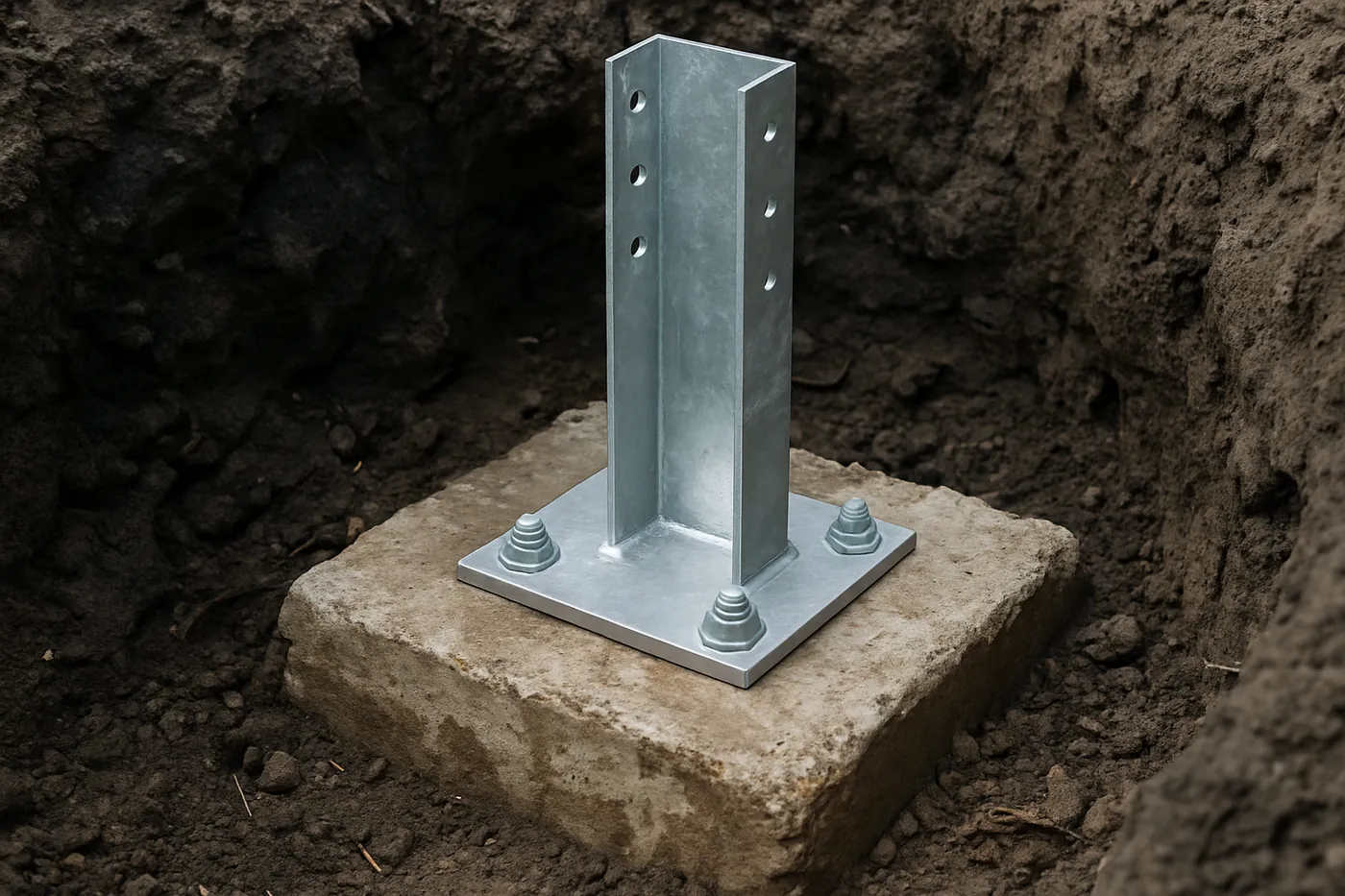
What happens after you call from Chapel Hill
On the callback, the specialist will want to know what the house is doing and since when, and will then schedule the visit. The survey turns the question into measurements, and the measurements decide among piers, drainage, or keeping watch. Make sure everything is written down before work begins.
Get a Tyler foundation evaluation
Tell us what the house is doing (stair-step cracks in the brick, doors that stick every August, sloping floors, separating trim) so the evaluation starts from what you have seen. A local specialist who works in Tyler will call you back.