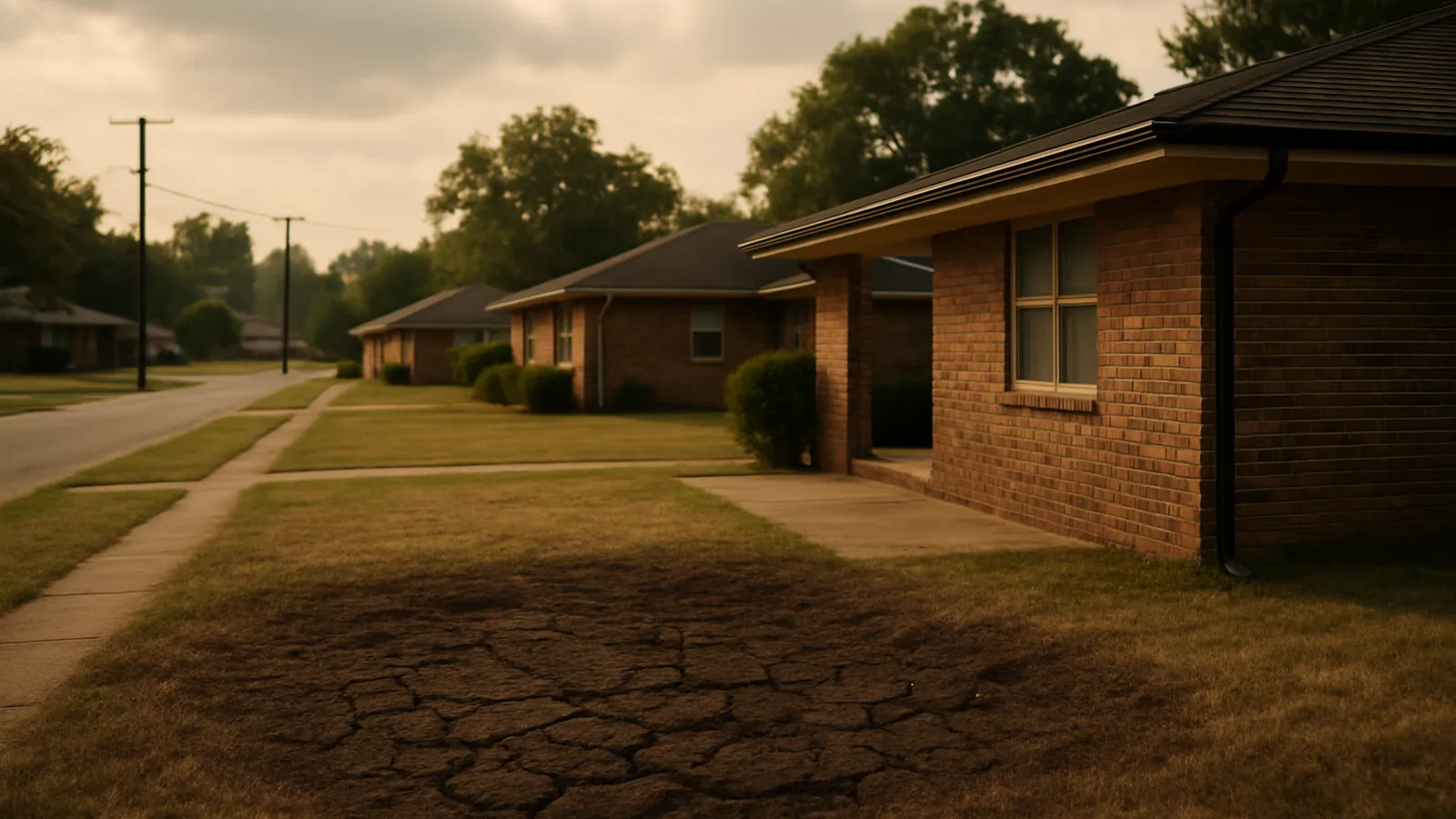
The evaluation is a floor elevation survey across the slab reported in inches, measured cracks, and the exterior water path. About an hour, and many local specialists don't charge for it; ask when they call. Ask for a copy of the survey whether or not you hire the specialist.
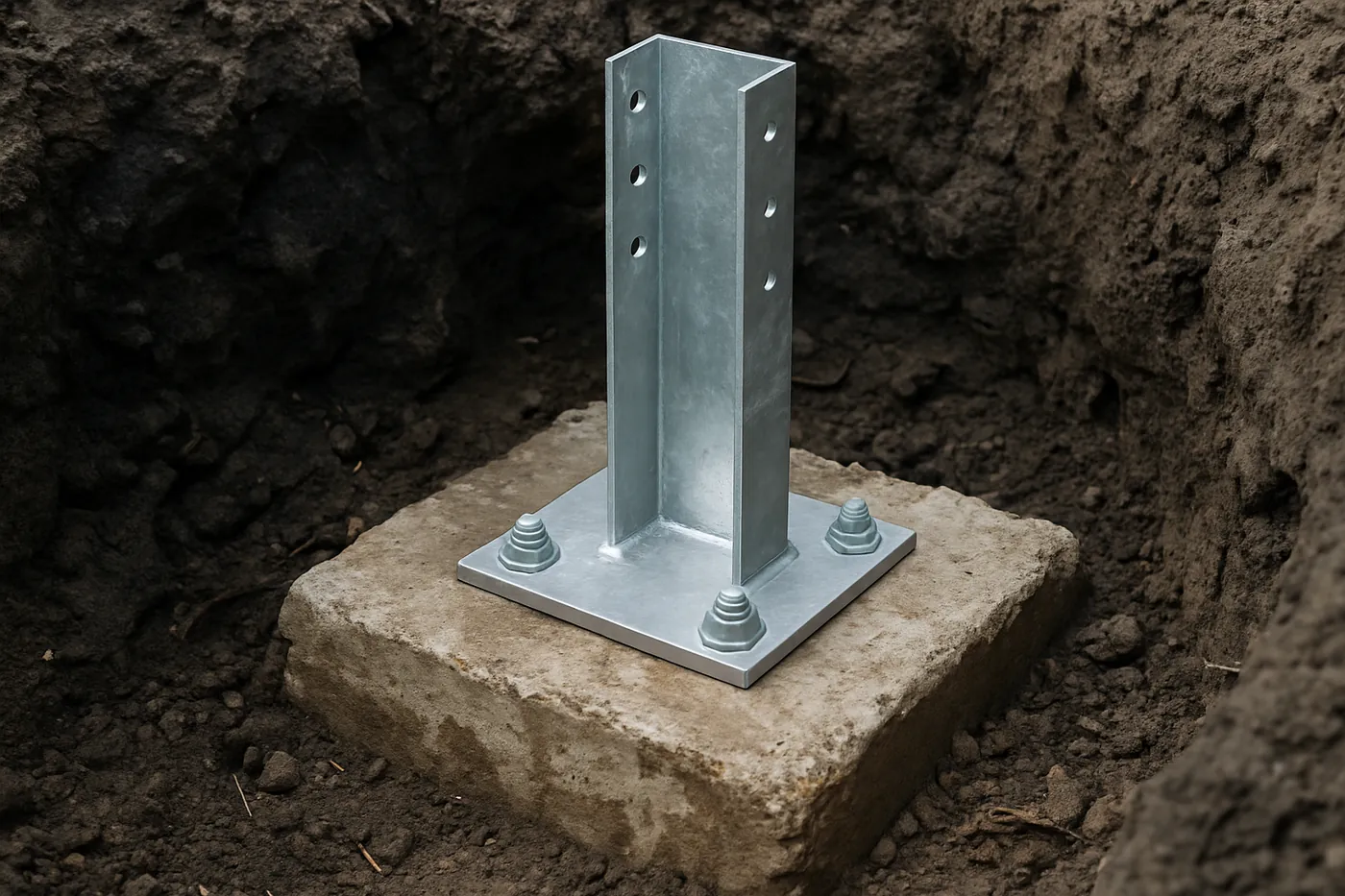
What the hour covers
Outside first — downspout discharge, grade fall, sprinkler zones, tree proximity, and where the last storm left standing water. Then the elevation survey: floor heights read at a grid of points across the slab and reported as differences in inches, which is the measurement that decides everything else. Then crack documentation with measurements and dates, interior door and trim behavior, and the crawl space if the house is pier-and-beam.
What a foundation repair scope contains
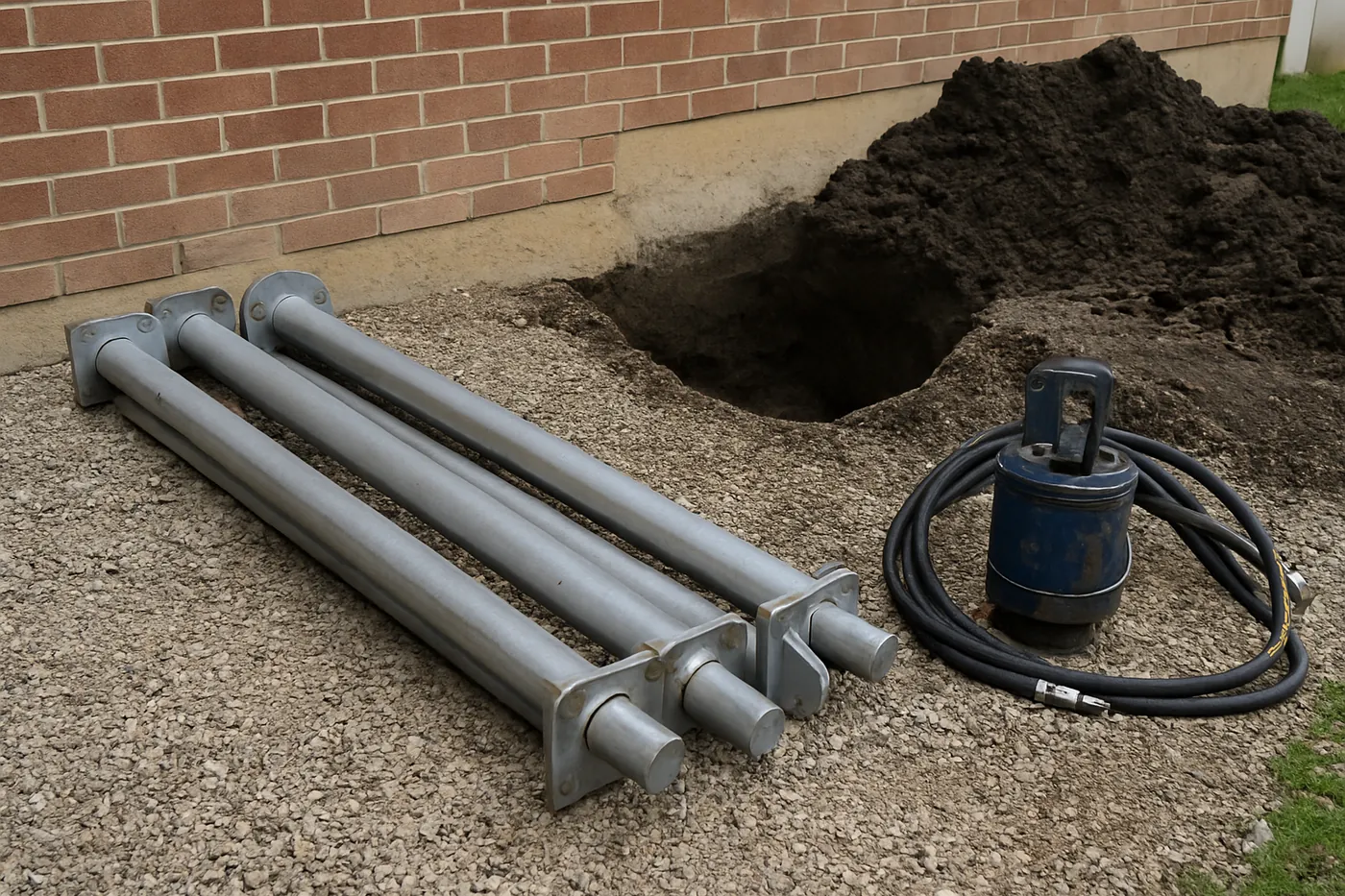
Whatever the specialist recommends should arrive as a document, not a conversation. Look for the survey numbers, and the water problems named with their correction priced separately. If piers are needed, ask for the count, the placement, the type and why, and the lift target — stabilize only, or stabilize and recover a stated amount. Ask for per-pier logging of refusal depth or torque, a timeline in days, and a written price on each line so you can phase it. Compare every number with the cost guide.
Buying a house?
Say so when you call. The survey and scope are built to hand straight to a repair negotiation, and the difference between a cosmetic crack and $12,000 of settlement is exactly the kind of thing worth knowing before closing rather than after.
Evaluation questions
Is the first visit free?
Many local specialists don't charge for the first visit, but it depends on the company. Ask when the specialist calls, before they come out. A good first visit includes the elevation survey, crack documentation, exterior water assessment, and the written scope. You pay only for work you approve with the specialist. Some visits end with 'extend two downspouts and re-grade the north side', and they happen more than you would expect.
How long does it take?
About an hour for a typical house. Larger homes, complicated additions, or rural properties with more of the lot to walk run longer. The extra twenty minutes beat a scope written from a guess.
Do I need to be home?
Someone should be, at least for the walkthrough at the end - that is where the survey numbers turn into a plan. If you are buying and cannot attend, ask the specialist to work with your agent and send the report directly to you.
What if I already have a bid from another company?
Keep it. Read it against the survey numbers and note where it matches and where it does not. If their scope is sound and their price is better, that is worth knowing.
Get a Tyler foundation evaluation
Tell us what the house is doing — stair-step cracks in the brick, doors that stick every August, sloping floors, separating trim — so the evaluation starts from what you have seen. A local specialist who works in Tyler will call you back.