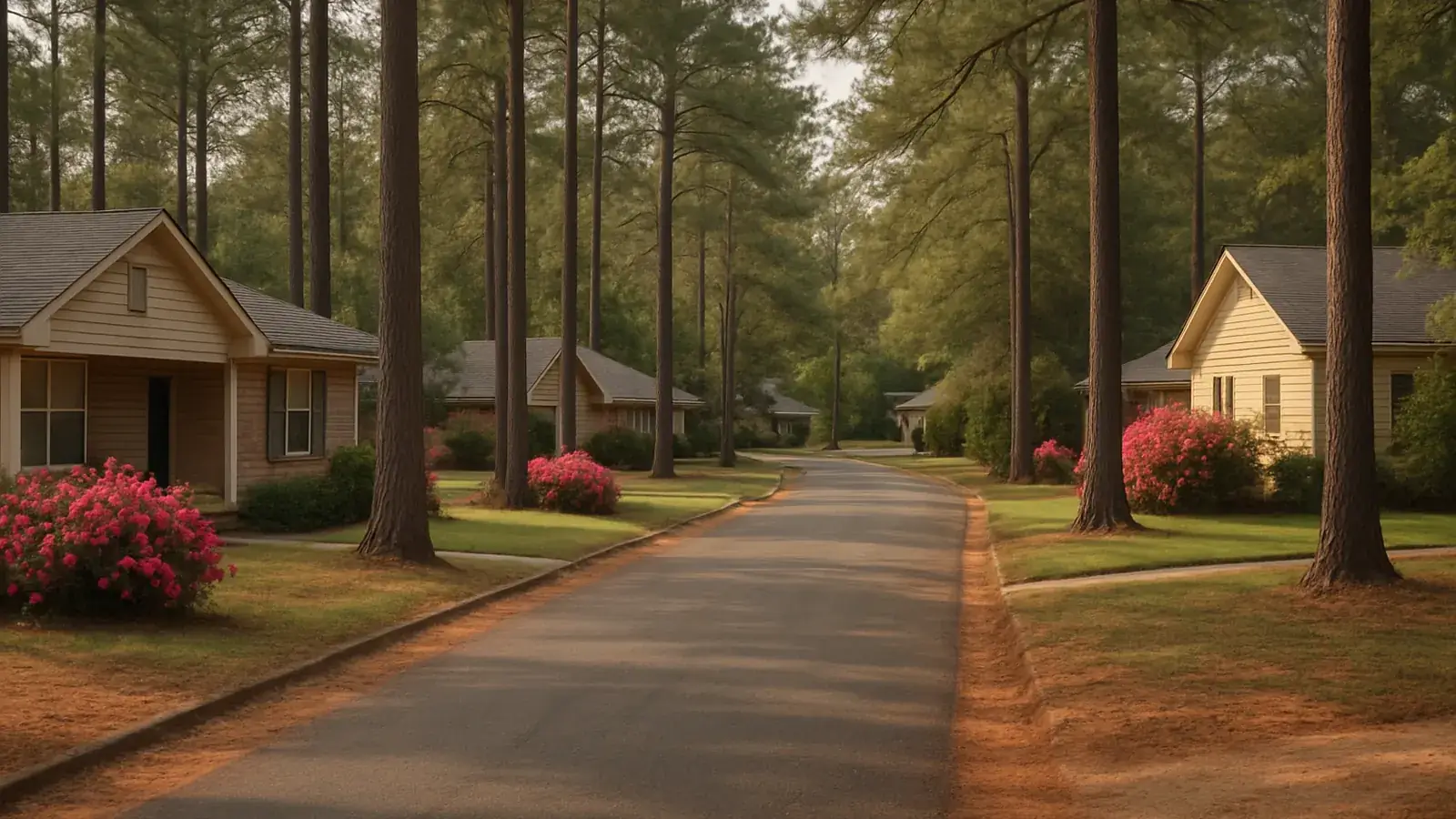
In Troup, foundation repairs mostly run between $4,000 and $15,000, with each pier at $1,200–$3,000. Clay that shrinks and swells with the seasons drives the damage, and the elevation survey sets the number of piers.
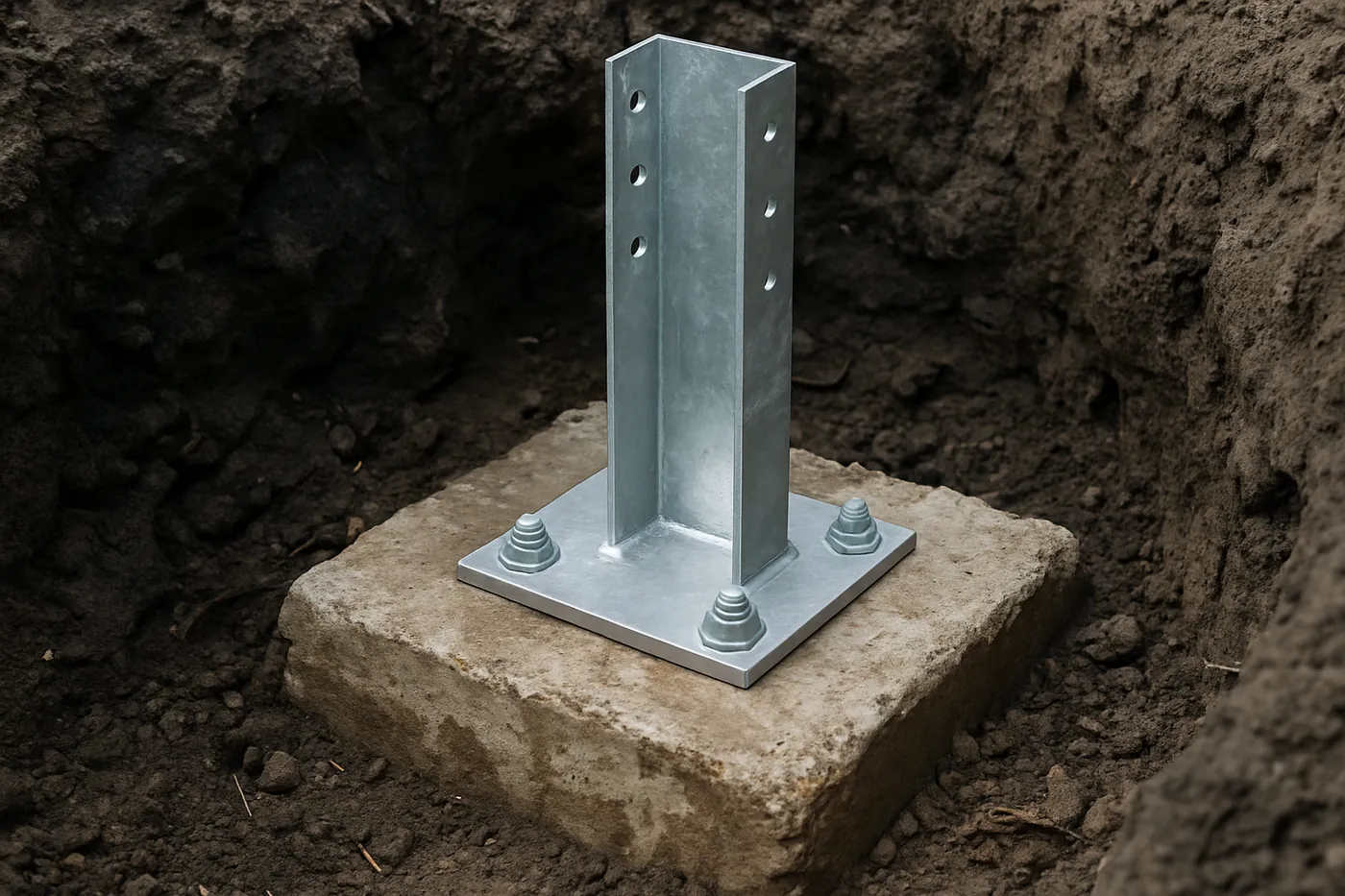
Old-town housing on reactive ground
Troup’s core is genuinely old by East Texas standards, with housing that has stood through many decades of wet-dry cycling. Houses that old have usually found an equilibrium with the soil, and the ones with new cracks are typically the ones where something changed: a tree came down, a drive was poured, a room was added, or drainage was altered next door.
Additions are a common trigger
An addition built on a separate, shallower foundation than the original house is one of the most reliable sources of differential movement. The two sections respond to the same soil cycle at different rates, and the joint between them takes the difference. That is a case where helical piers under the lighter addition often make more sense than push piers, because the addition may not weigh enough to drive one.
What the survey usually shows
Long-settled houses frequently read as gently out of level everywhere rather than sharply low in one place, and that distinction matters: broad, old, stable settlement is often something to document and monitor rather than pier. A good specialist will tell you when that is what the numbers say.
Asked in Troup
The house is nearly a century old and has always had cracks. Should I worry?
Not necessarily. Long-settled houses often read as gently out of level everywhere rather than sharply low in one spot, and broad old stable settlement is frequently something to document and monitor rather than repair. The survey shows which situation you are in.
We added a room and now there's a crack at the joint. Why?
Because the addition sits on a separate, usually shallower foundation than the original house, so the two respond to the same soil cycle at different rates. The joint takes the difference. Helical piers under the lighter addition are frequently the right answer since it may not weigh enough to drive a push pier.
Is monitoring actually useful, or is it a stall?
It gives you evidence at no cost. A dated photo and a pencil mark across each crack, looked at again after the weather turns from wet to dry, show whether the house is moving now or settled long ago. That is better than paying for piers on a hunch.
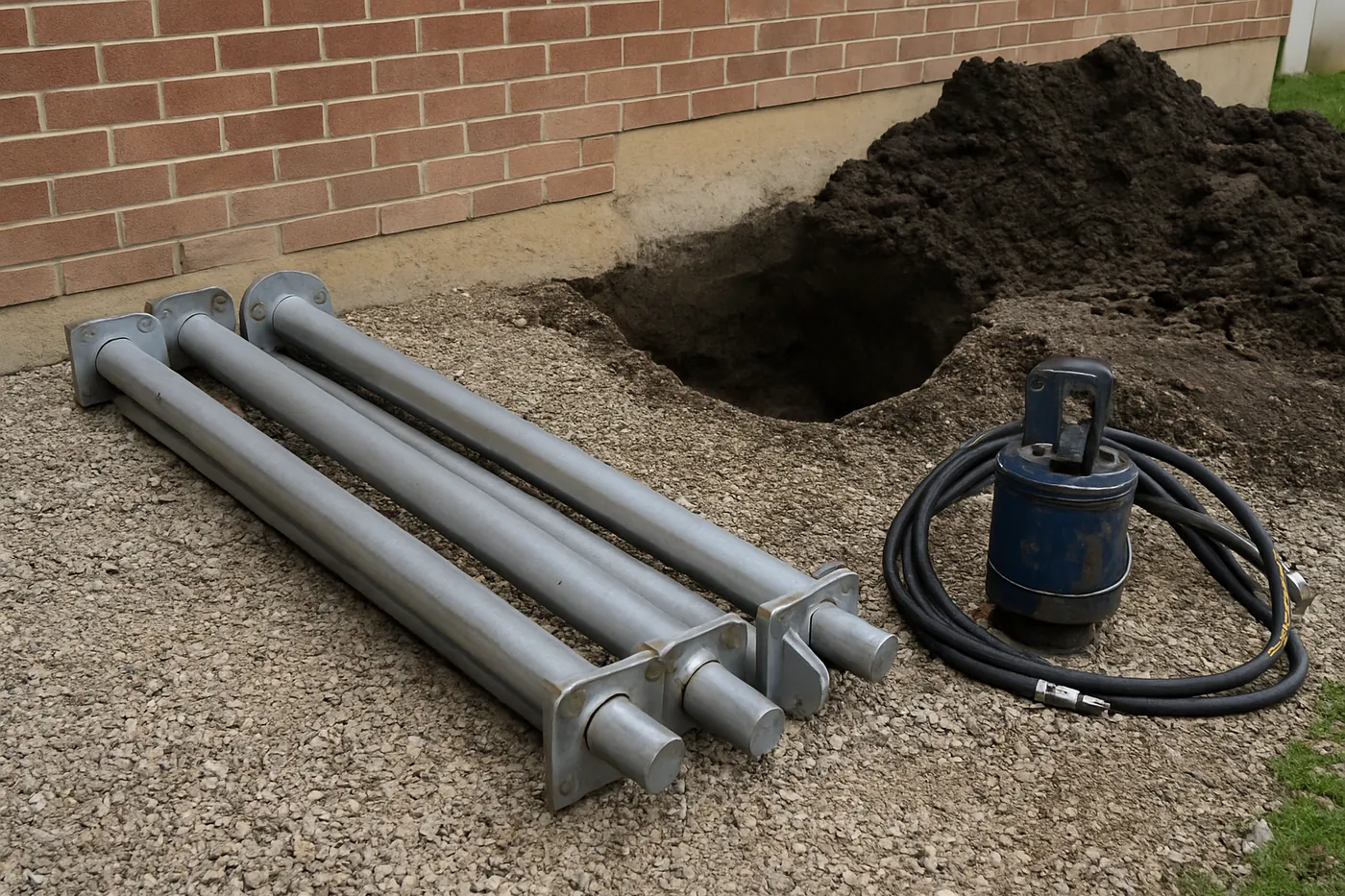
What happens after you call from Troup
The specialist will ask on the phone what you are noticing and when it began, then book a time. Because the survey yields numbers, not opinions, those numbers settle whether you need piers, drainage, or only monitoring. Get it all on paper before anyone starts.
Get a Tyler foundation evaluation
Tell us what the house is doing (stair-step cracks in the brick, doors that stick every August, sloping floors, separating trim) so the evaluation starts from what you have seen. A local specialist who works in Tyler will call you back.