
Concrete leveling in Tyler usually costs $500–$2,500 for a driveway, patio, sidewalk, or porch slab. Polyurethane foam is pumped through small holes into the gap that dried-out clay left behind, where it expands and raises the slab back to level. The job takes a few hours, and you can use the surface that day.
How the lift works, why flatwork sinks here first, and where the line is between leveling and piering.
Why flatwork goes first
A driveway has no piers, no footings, and none of the weight distribution a house has. When East Texas clay shrinks in a drought and leaves a void, a slab of flatwork simply follows it down. That makes your driveway an early-warning system for what the soil is doing: an approach that dropped an inch this summer is telling you the clay under the whole property moved. It is also why the house deserves a look during the same visit, sometimes the answer is nothing, and sometimes the flatwork was the first symptom.
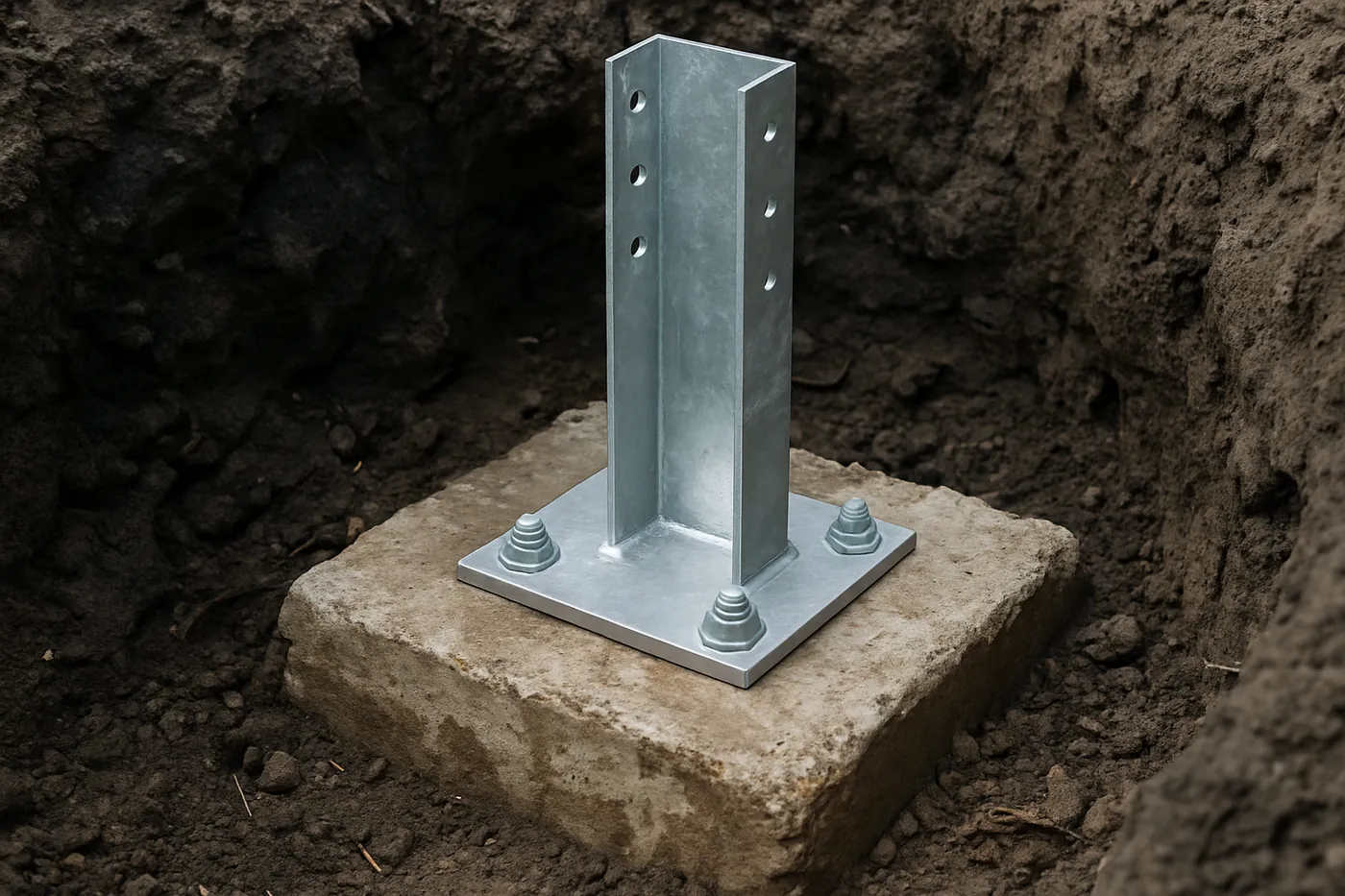
How the lift actually works
| Step | What happens | Time |
|---|---|---|
| Port drilling | Penny-sized holes through the slab at mapped points | Under an hour |
| Polyurethane injection | The foam swells into the gap and then raises the concrete | Monitored as it happens |
| Elevation control | Raising halted at level and checked throughout | Continuous |
| Port patching | Holes filled and finished | Minutes |
| Return to service | Park on it that afternoon | Immediate |
Where leveling ends and foundation repair begins
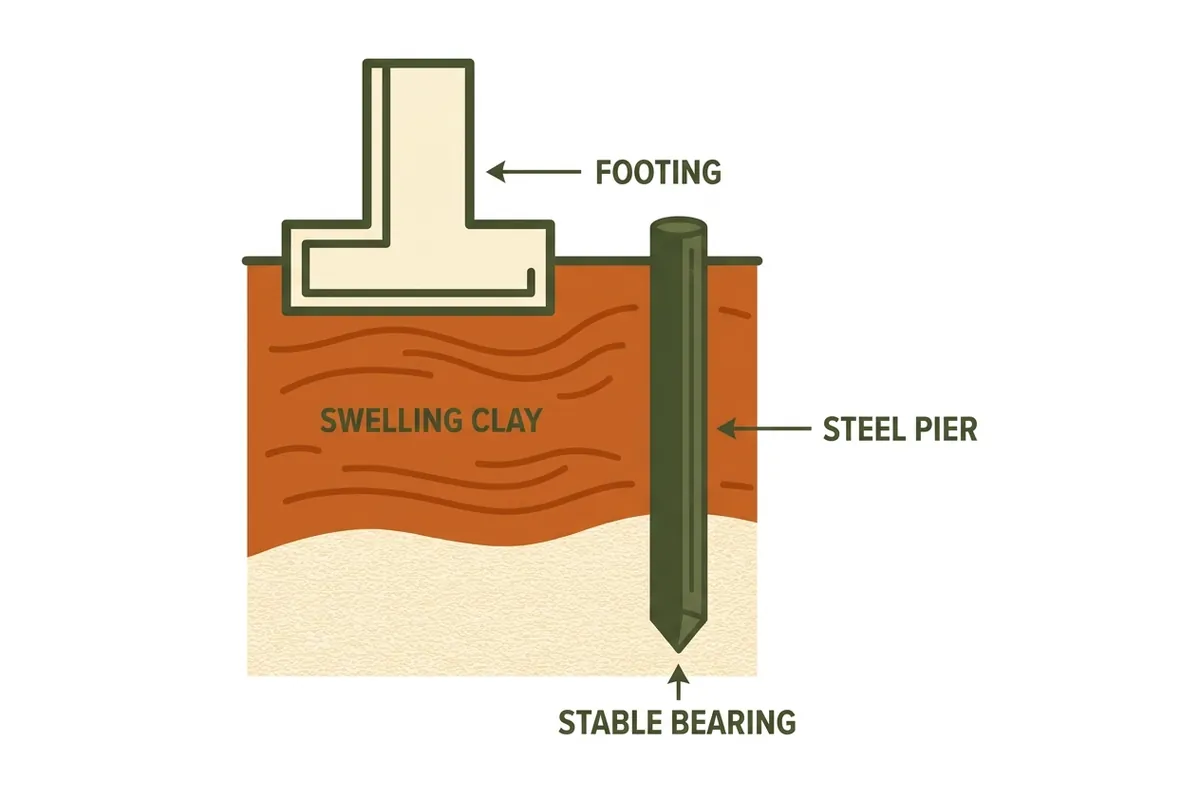
Some companies blur this line, so here it is plainly. Foam lifting is meant for flatwork, slabs that hold up only themselves and whatever drives or walks on them. A foundation carrying a house needs piers laid out from an elevation survey and pushed to a measured load. Foam pumped beneath a home is not underpinning; it fills gaps but does not carry the load in any engineered way. If someone proposes fixing your house's settlement with foam by itself, ask for the design capacity and the engineer who stamped it, and get another opinion. Prices for both live in the cost guide.
Protecting the lift afterward
The foam will not wash away or break down, so the fill lasts. What can undo the lift is whatever opened the gap to begin with: a downspout emptying at the edge of the slab and washing out the base, a utility trench that was never packed down, or clay that keeps swelling and shrinking because nothing keeps its moisture steady. Ask the specialist to point out which one applies during the visit; the fix is usually a drainage item measured in hundreds rather than thousands.
Concrete leveling questions, straight answers
What does concrete leveling cost in Tyler?
Expect $500-$2,500 for most slab lifting, depending on the size of the area and how much foam the gaps take. A dropped driveway apron or a sunken sidewalk falls near the low end, while a big patio or a garage floor with large gaps costs more. Either way it is a small share of what replacement would cost.
How is it different from replacing the concrete?
Leveling lifts the existing slab by injecting expanding polyurethane through small ports, filling the void underneath and raising the concrete back to grade. It takes hours instead of days, costs far less than replacement, and you can walk on it almost immediately. Replacement only wins when the slab itself is broken up rather than merely settled.
Why did my driveway sink in the first place?
Same clay, same cycle. The clay shrank in a dry season and left a void; the slab, unlike your house, has no piers and simply followed it down. Poorly compacted fill under an approach or a utility trench that was backfilled loosely accelerates it.
Will it sink again?
It can, if nobody deals with the cause. The foam fills the gap and stays put, but a downspout that keeps washing soil from under the edge, or clay that keeps swinging between wet and dry, will recreate the problem. Raise the water source during the same visit; it is usually a quick fix that protects the lift.
Does this work on my house foundation too?
Polyurethane lifting doesn't work on a house foundation, so be careful with anyone who claims it does. It is meant for driveways, patios, sidewalks, and porch slabs. A home's foundation needs piers planned from an elevation survey, and swapping in foam for underpinning is a shortcut with no engineering to back it.
Get a Tyler foundation evaluation
Tell us what the house is doing (stair-step cracks in the brick, doors that stick every August, sloping floors, separating trim) so the evaluation starts from what you have seen. A local specialist who works in Tyler will call you back.